What is a Hydraulic Pump?
Hydraulic pump converts mechanical energy into hydraulic energy. When a hydraulic pump operates, it performs two primary functions:
- Creating a vacuum at the pump inlet: This allows atmospheric pressure to push the liquid from the tank into the inlet line of the pump.
- Delivering liquid to the pump outlet: The pump's mechanical action discharges the liquid into the hydraulic system, resulting in hydraulic flow.
Limitations on Suction Hose Length
The length of the suction hose is limited by the vacuum the pump can create. Even with a perfect vacuum, there is a finite length due to the physics of atmospheric pressure. Minimise restrictions on the suction side, such as fittings, is recommended to ensure optimal performance.
Understanding Hydraulic Flow
Hydraulic flow is defined as the volume of fluid passing through a defined surface area over a specified time. The formula for calculating flow is:
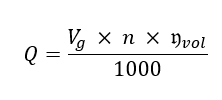
Where:
- Q (l/min) : Output flow
- Vg (cm3/rev) : Geometric displacement
- n (rpm) : Drive speed
- nvol : Volumetric efficiency
Pressure in Hydraulic Systems
Pressure in a hydraulic system is the resistance to flow and is typically measured in bar. The formula for calculating pressure is:

Pressure can also be measured in other units such as psi (imperial) and Pascals (metric). In Australia, the metric system is commonly used, where 1 bar equals 100,000 Pascals or 0.1 MPa.
Types of Hydraulic Pumps
Hydraulic pumps are categorized into two main types:
1. Fixed Displacement Pumps: These pumps have a constant displacement that cannot be varied. Examples include:
- Gear pumps
- Screw pumps
- Vane pumps
- Bent-axis piston pumps
Fixed displacement pumps are cost-effective and suitable for applications requiring constant flow and pressure.
2. Variable Displacement Pumps: These pumps allow for variable displacement while maintaining constant shaft speed. Examples include:
- Axial piston pumps
- Radial piston pumps
- Bent-axis piston pumps
Variable displacement pumps are more energy-efficient, providing variable flow and pressure as required by the load.
Basic Pump Controllers
Three common types of pump controllers:
- Pressure Compensator: This controller maintains a constant system pressure by varying the output flow of the pump. It is commonly used in applications such as compactors, refuse trucks, and balers.
- Remote Pressure Compensator: A two-stage control that allows multiple pressure compensator settings. It uses a pilot line connected to an external relief valve, making it suitable for applications like combine harvesters and wood chippers.
- Load Sense Control: This controller matches system requirements for both pressure and flow, ensuring low standby pressure when flow is not required. It is widely used in drill rigs, hydro-excavators, and high-pressure water pumps.
Common Misconceptions in the Hydraulic Industry
One of the most common misconceptions is the belief that pumps produce pressure. In reality, pumps generate flow, and pressure results from the resistance to that flow. Additionally, while it might seem that the pump's inlet "sucks" in oil, it is actually atmospheric pressure that pushes the oil into the pump.
Listen to our podcast: Pumps for Mobile Applications