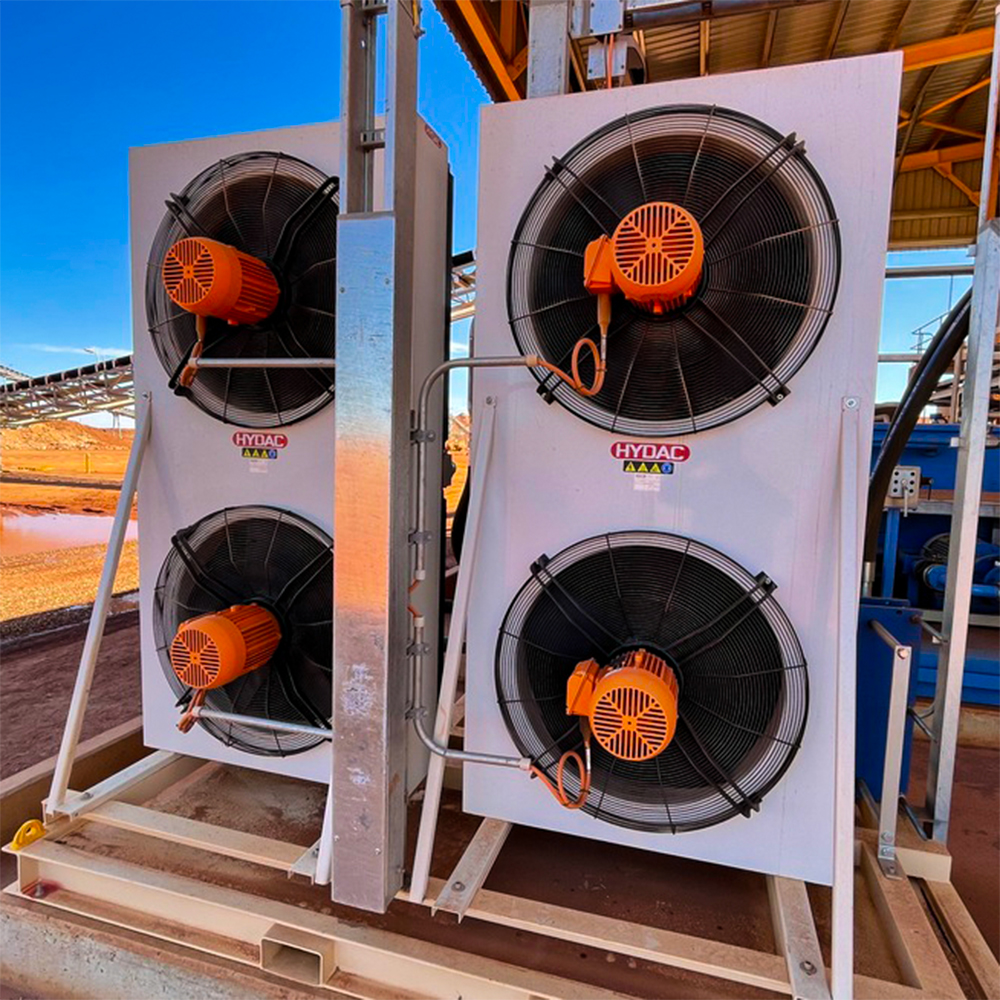
Hybrid cooling systems are transforming the way industries manage thermal performance—offering a smarter, more efficient alternative to traditional cooling methods. By combining multiple technologies such as air blast coolers, fluid-to-fluid heat exchangers, and chillers, these systems are designed to maximize efficiency, reduce costs, and minimize environmental impact.
Developed with Australia's demanding climate in mind, hybrid systems provide tailored solutions for sectors ranging from mining and food production to aerospace and data centers. This article explores what hybrid cooling systems are, why they’re particularly relevant in the Australian context, and how they deliver substantial technical and financial benefits.
What is a Hybrid Cooling System?
- A hybrid cooling system combines multiple cooling technologies to achieve optimal performance.
- Commonly used components include:
- Air blast coolers
- Fluid-to-fluid plate or gasket heat exchangers
- Chillers
- The term “hybrid” refers to using the best of each technology, not compromising between them.
Why Hybrid Cooling Systems in Australia?
- Australia's hot climate and operational challenges make large, single-technology cooling systems less efficient and harder to maintain.
- Traditional systems like oversized chillers or evaporative towers are:
- Expensive to run and maintain
- Prone to issues like Legionella contamination
- Hybrid systems address these concerns by:
- Using air blast coolers to handle most of the cooling load
- Resizing chillers to only operate when ambient conditions demand it
- Operating in a closed loop system for better water management and hygiene

Key Benefits of Hybrid Cooling Systems
- Reduced Footprint:
- Smaller components
- Efficient space utilization
- Energy Efficiency:
- Chillier operates only when needed
- 50% reduction in power consumption proven in various projects
- Cost Savings:
- 50% lower upfront cost compared to traditional systems
- Short payback period – often under 3 years
- Environmental Friendliness:
- Closed loop design reduces water usage and waste
- No risk of oil-water mixing thanks to double-wall heat exchangers
- Lower noise and maintenance requirements
- Versatility:
- Successfully implemented in industries like:
- Aerospace
- Mining
- Food production
- Power generation
When to Use Hybrid Cooling Systems
- Ideal when the process fluid must be cooled below ambient temperature
- Not necessary if fluid can return above ambient — air blast alone is sufficient
- Suitable for fluids such as oil, water, glycol, or combinations
Training and Learning Opportunities
- HYDAC Australia offers a Thermal Optimization course in Melbourne.
- Learn how to design and implement efficient thermal management systems.
- Course receives positive feedback for its real-world relevance and impact.
Whether you're dealing with mining machinery, food processing equipment, or aerospace systems, hybrid cooling offers a smarter, greener, and more cost-effective solution. For those looking to enhance their cooling performance while saving on cost and energy, HYDAC’s hybrid systems present a forward-thinking approach well-suited to Australia's demands.
Ready to optimize your cooling systems? Explore HYDAC’s training or contact our team today.
Listen to our podcast: Hybrid Cooling System